Understanding CBD: What Is Known, What Remains Unknown
While CBD has shown clear medical value for a limited number of conditions, much about its broader use remains under investigation. As research continues to evolve, understanding both the known benefits and the remaining uncertainties can help people make informed decisions and distinguish established evidence from unproven claims.
Older Adult Mental Health and Suicide Prevention
Learn key risk factors, warning signs, preventive steps, and Sacramento support resources for older adult mental health and suicide prevention.
DEA Warns of a More Dangerous Emerging Drug Supply
The drug supply in the United States is changing quickly, and it is becoming more dangerous and unpredictable. A recent alert from the Drug Enforcement Administration warns that illicit fentanyl is increasingly being mixed with other powerful synthetic substances, including xylazine, nitazenes, cychlorphine, and medetomidine. Many of these substances are not approved for human use, and people may have no idea they are present in a pill, powder, or other drug.

What the Great American Recovery Initiative Means for Our Sacramento Community
In January 2026, the White House issued an executive order launching the Great American Recovery Initiative, a nationwide effort to strengthen how the United States prevents and treats substance use disorders. While federal policy can sometimes feel distant from everyday life, this initiative directly connects to the work happening in communities like Sacramento County every day.
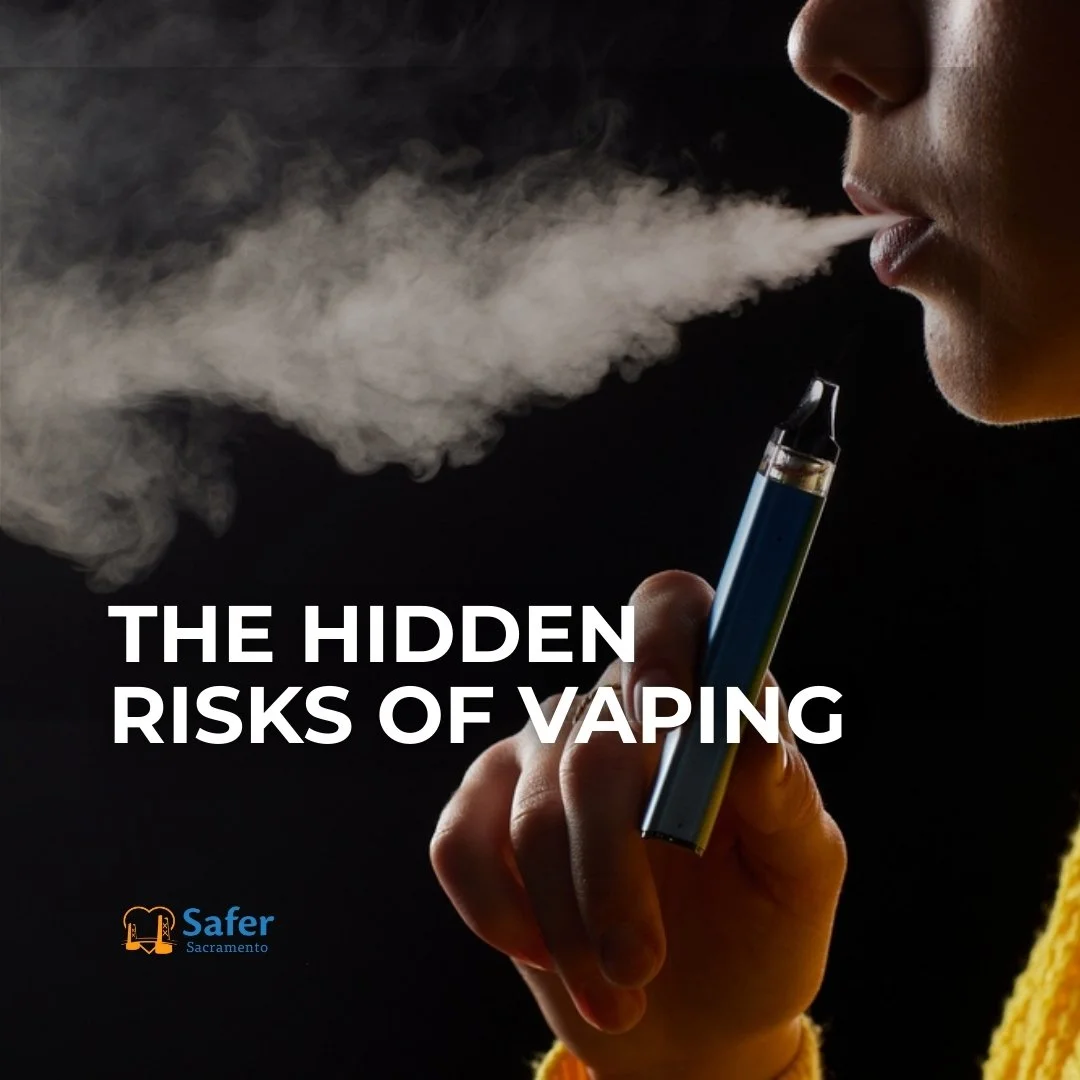
The Hidden Risks of Vaping
Vaping may seem like a harmless habit, but it carries real risks, especially for young people in Sacramento County. By understanding the facts, recognizing the signs, using local resources, and taking community-wide action, we can help make Sacramento County a healthier place for everyone.

‘Tis the Season: Holidays and Mental Health
Discover how the holiday season, often associated with joy, can bring unique mental health challenges. Uncover strategies to manage expectations, combat loneliness, and mitigate financial stress.
Ketamine in the Spotlight: Understanding the Real Risks
Explore the rising conversation around ketamine—its medical benefits for treatment-resistant depression, its FDA-approved use as Spravato, and the growing dangers of recreational misuse. Learn the risks, short- and long-term effects, and why awareness is key to preventing harm.
The Administration’s 2025 Drug Policy Priorities and Sacramento’s Approach
The Administration’s 2025 drug policy statement is a call to action. By focusing on prevention, treatment, law enforcement, and technology, the plan aims to reduce the impact of drugs in America.
Opioid and Methamphetamine Use Among Older Adults
Explore the overlooked crisis of opioid and methamphetamine misuse among older adults in Sacramento County. Learn about vulnerability factors, signs of substance misuse, and compassionate, community-driven solutions to support aging populations.
Breaking the Cycle – Addiction Treatment in America's Jails
Explore the urgent need for addiction treatment in America’s jails. Learn how effective substance use disorder care behind bars can break the cycle of incarceration, save lives, and improve public health outcomes.

The Ripple Effect, Part Nine: Concluding the Series On Illicit Fentanyl
Concluding our in-depth documentary blog series on the illicit fentanyl crisis in the U.S., this final installment recaps key insights, from its origins and trafficking routes to its devastating impact on communities and youth. While progress has been made, challenges remain. Explore the full series to understand the crisis, the fight against fentanyl, and the urgent need for continued action.

The Ripple Effect, Part Eight: The Fight Against Fentanyl — Examining the Response to the Crisis
Discover how Sacramento County is tackling the fentanyl crisis with a comprehensive approach that includes harm reduction strategies, expanded treatment services, and robust community education programs and partnerships. Learn how initiatives like naloxone distribution, fentanyl test strips, and youth-focused outreach are saving lives and reducing overdose deaths.

The Ripple Effect, Part Seven: Illicit Fentanyl’s Devastating Toll on Teens and Young Adults
The fentanyl crisis is devastating young people across the U.S., with overdose deaths rising due to counterfeit pills and a lack of understanding about the drug’s dangers. This blog delves into the alarming trends, risk factors, and the role of social media in spreading fentanyl-laced substances.

The Ripple Effect, Part Six: The Illicit Fentanyl Crisis Sweeping Sacramento County
Learn about the devastating impact of the illicit fentanyl crisis in Sacramento County, where overdose deaths have surged over 2,000% in recent years. Learn about the role of counterfeit pills, the influence of the pandemic, and how fentanyl is disproportionately affecting vulnerable communities.
The Role of Harm Reduction in Preventing Overdose Deaths
Harm reduction plays a crucial role in preventing overdose deaths by adopting a realistic approach that focuses on minimizing the negative health, social, and legal impacts associated with drug use/misuse.

The Ripple Effect, Part Five: Illicit Fentanyl’s Fatal Grip On Vulnerable Communities
Fentanyl has rapidly become a leading cause of overdose deaths in the U.S., hitting vulnerable communities the hardest. This blog explores the devastating impact of fentanyl on economically struggling rural areas and urban centers grappling with homelessness, poverty, and racial inequality. It examines how factors like limited resources, healthcare disparities, and systemic inequities intersect, exacerbating the crisis in these communities.

Recovery Options for Substance Use Disorder
Recovery from substance use disorder (SUD) is a long-term process that involves various options and support systems tailored to meet the individual’s needs.
Treatment Options for Substance Use Disorder?
Treatment options for substance use disorder (SUD) are diverse and tailored to meet the specific needs of each individual. Effective treatment often involves a combination of therapies and support systems.

Be Prepared to Help Someone Who is Overdosing
Being prepared to help someone who is overdosing involves education, training, carrying naloxone, and having an emergency plan. By taking these steps, you can be ready to act quickly and effectively in an overdose situation, potentially saving a life.

What Factors Contribute to Overdose Deaths?
Understanding the factors that contribute to overdose deaths is crucial for developing effective strategies to prevent overdose deaths. Comprehensive approaches that address the underlying causes and provide support and resources can help mitigate this public health and public safety crisis.