Ketamine in the Spotlight: Understanding the Real Risks
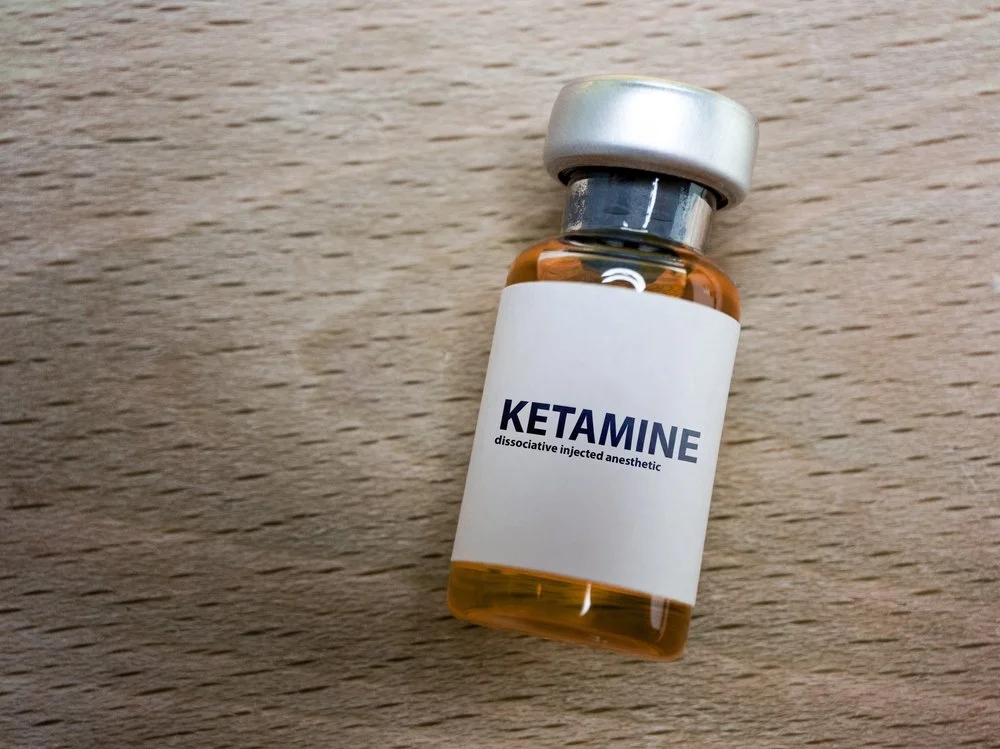
Following the tragic deaths of NFL quarterback Dwayne Haskins and actor Matthew Perry, ketamine has been thrust into public conversation, making headlines and prompting policy debate. Once known for its role in the field during the Vietnam War, in hospital surgery rooms, and, more recently, as a hopeful treatment for severe depression, ketamine has been used legally as a general anesthetic in humans and as a tranquilizer in animals. More recently, in 2019, the Food and Drug Administration (FDA) approved esketamine – a ketamine derivative – as a nasal spray version for treatment-resistant depression, only available at a certified doctor’s office or clinic. However, ketamine is also gaining notoriety for its potential dangers, especially when used outside of medical supervision. This blog aims to shed light on those risks. While ketamine has therapeutic value in controlled settings, its growing use as a recreational drug brings serious, and sometimes fatal, consequences.
The Upside of Medical Ketamine
According to the National Institute of Health, ketamine can be highly beneficial for pain management, treatment-resistant depression (TRD), managing suicidal ideation, and PTSD. The World Health Organization notes that depression affects over 280 million people around the globe, and approximately 30% of individuals who are diagnosed with severe depression have symptoms that do not respond to standard treatment. Recent studies have shown that ketamine infusion therapy can provide rapid and significant relief for individuals with treatment-resistant depression. With the recent 2019 approval for use to treat TRD, the prescription version of ketamine, Spravato, given as a nasal spray, offers a beacon of hope for those struggling with severe depression that has not responded to other forms of treatment. As noted in YaleMedicine and Harvard Health, ketamine therapy works by blocking NMDA receptors in the brain, allowing for increased serotonin levels and other neurotransmitters known to improve mood. This mechanism not only produces rapid antidepressant effects but also promotes neural plasticity, essentially rewiring the brain's circuits and allowing individuals to develop different thoughts and behaviors.
A Concerning Upward Trend
Recreational ketamine use is on the rise. From 2019 to 2021, ketamine poisonings in the U.S. increased by 81%. Poison control centers are sounding the alarm, with a growing number of calls linked to intentional misuse.
Many of these cases involve people unaware of just how dangerous ketamine can be – especially when combined with other substances. According to the CDC, from July 2019 to June 2023, July 2019–June 2023, ketamine was involved in <1% of all drug overdose deaths, but overdose deaths with ketamine detected increased, nearly all of which included multiple substances.
The Risks of Recreational Ketamine
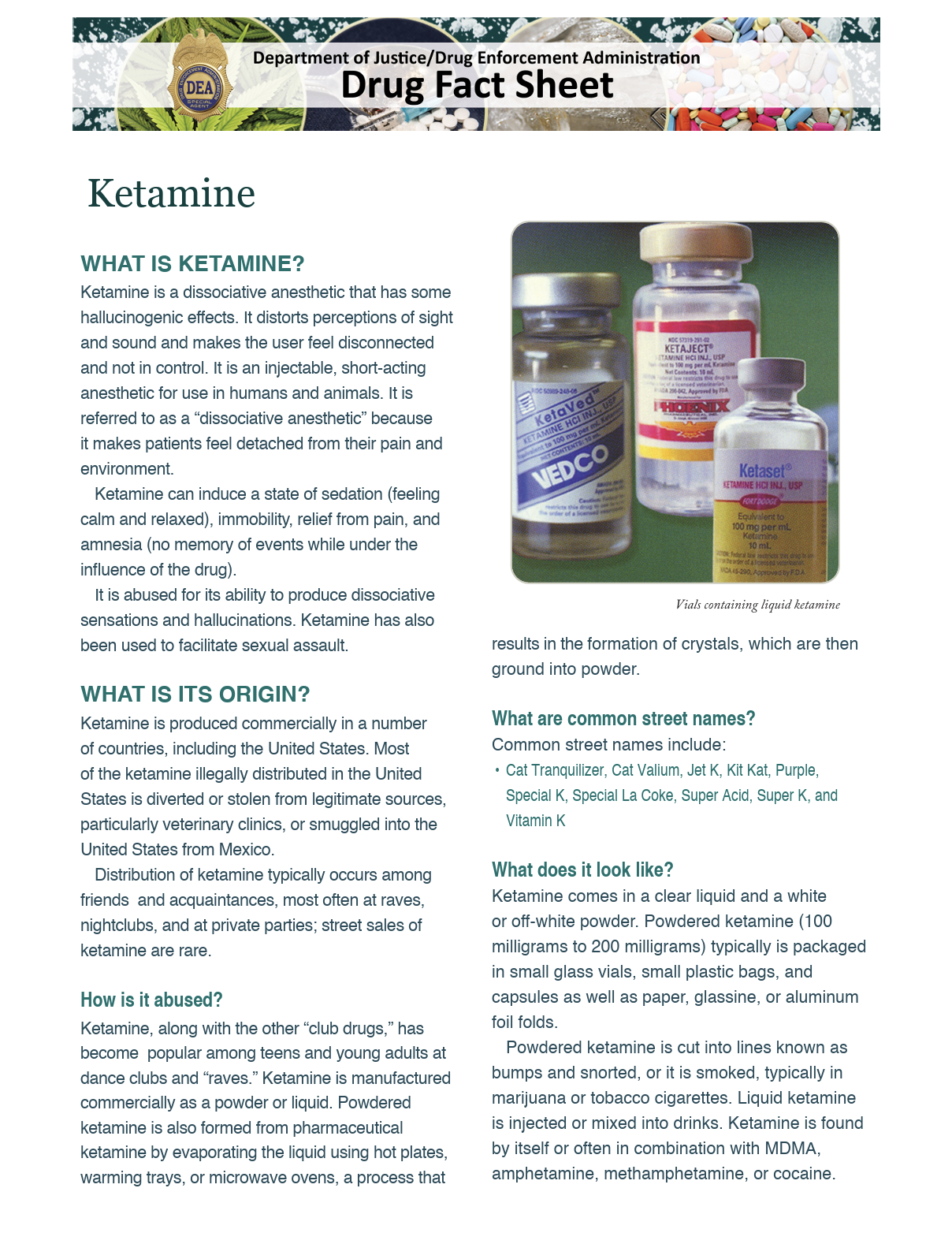
Ketamine is a dissociative anesthetic that can make users feel detached from reality. On the street, it's known as "Special K," and it’s popular in party scenes for its trance-like, hallucinogenic effects. But what many people don’t realize is that even small missteps with this drug can lead to significant consequences.
Short-term Dangers
Overdose risk: Ketamine can slow breathing and heart rate – especially dangerous when mixed with other depressants like alcohol or opioids. In fact, many ketamine-related deaths involve polysubstance use.
Accidents & injuries: Recreational users who enter dissociative “K-holes” may become physically incapacitated, increasing accident risk. This makes users more prone to accidents, falls, or putting themselves in harm’s way.
Loss of control: The dissociative effects can impair judgment, increase vulnerability, and even lead to blackouts. Ketamine has been involved in cases of drug-facilitated sexual assault.
Long-Term Risks
Substance use disorder: Regular use can lead to psychological and physical addiction. Users may find themselves needing more of the drug to feel the same effects – a dangerous cycle.
Bladder and kidney damage: Chronic use is linked to severe urinary tract issues, including a condition known as “ketamine bladder,” which can cause pain, incontinence, and even permanent damage.
Memory & cognitive problems: Prolonged misuse may lead to memory loss and reduced cognitive function, especially in younger users whose brains are still developing.
Why This Matters
As ketamine gains legitimacy in medical settings, it’s easy for the public to merge clinical use with recreational safety and assume that because something has been approved for medical use, it’s safe for recreational use. But the two are not the same:
Medical ketamine is administered under strict supervision, with precise dosing and post-treatment monitoring.
Street ketamine is often cut with unknown substances, used without guidance, and taken in unpredictable environments.
Awareness and Prevention
Raising awareness is the first step toward preventing harm. Here’s what you can do:

Talk to your teens and young adults about the risks and harm reduction strategies. Many are exposed to ketamine at parties without knowing the dangers.
Look out for signs of use: changes in behavior, memory lapses, or frequent bathroom issues could point to misuse.
Support education and harm-reduction efforts in your community. The more people know, the safer choices they can make.
Final Thoughts
Ketamine has therapeutic potential – but that doesn’t make it safe for casual use. Unsupervised, recreational ketamine use can carry significant risks. Focusing on education for those who choose to use ketamine recreationally is essential to help prevent avoidable outcomes.
If you or someone you know is struggling with substance use or mental health, there is help available. Visit our County Programs page for support and resources.