The Hidden Risks of Vaping
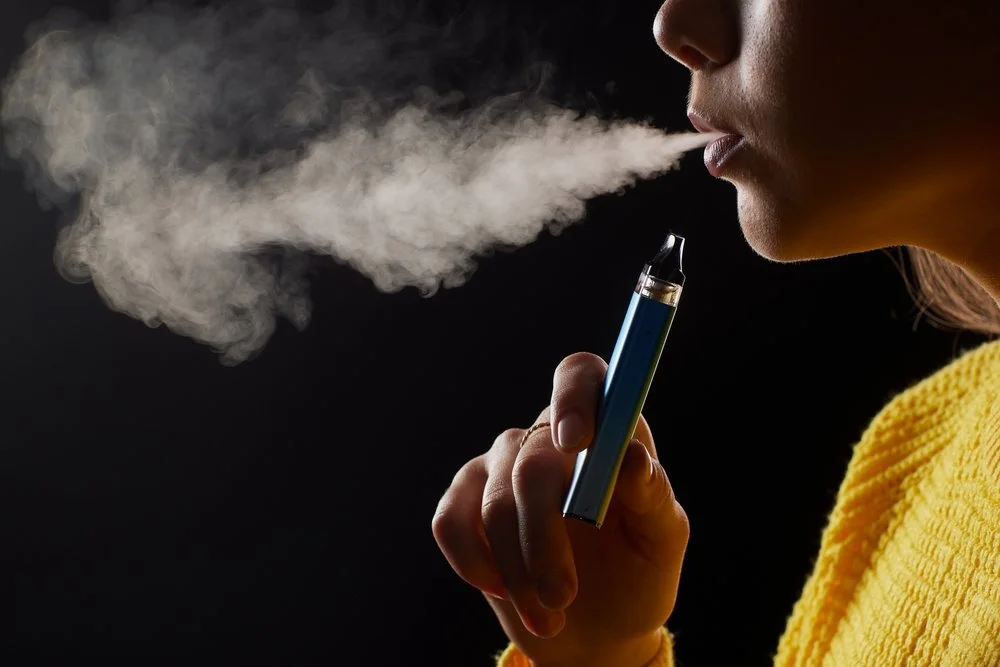
In recent years, vaping has become one of the most talked-about health issues across the country – and right here in Sacramento County. Sleek devices, sweet flavors, and heavy marketing on social media have made e-cigarettes seem like a safer alternative to traditional smoking, especially among young people. While many people associate vaping only with nicotine, these devices are also commonly used to inhale marijuana (cannabis), including high-potency THC oils and concentrates. Whether it involves nicotine or marijuana, the truth is vaping carries serious health risks and can lead to long-term consequences that many users don’t fully understand.
What Is Vaping?
Vaping is the act of inhaling and exhaling an aerosol (vapor) produced by an electronic cigarette or similar device. These devices heat a liquid or oil that may contain nicotine, marijuana (cannabis), THC, flavorings, or other chemicals. The resulting aerosol is then inhaled into the lungs. While vaping doesn’t involve burning tobacco or marijuana in the traditional sense, that doesn’t mean it’s harmless. Many vape products – whether they contain nicotine or cannabis – can expose users to high concentrations of addictive substances, ultrafine particles, heavy metals, and other toxic compounds that can damage the lungs and overall health.
The Myth of “Safe Nicotine”
Nicotine is one of the most addictive substances known. It changes the chemistry of the brain, making it harder to stop once dependence starts. For teens and young adults, nicotine use can harm brain development, including areas that control attention, learning, mood, and impulse control.
In Sacramento County and beyond, vaping devices deliver nicotine more efficiently than ever. Users – often unknowingly – may be exposing themselves to extremely high doses of an addictive drug that can rewire the brain. Even “nicotine-free” vape products can be dangerous: studies show that some are mislabeled or still contain nicotine or other harmful chemicals.
Vaping Marijuana: What to Know
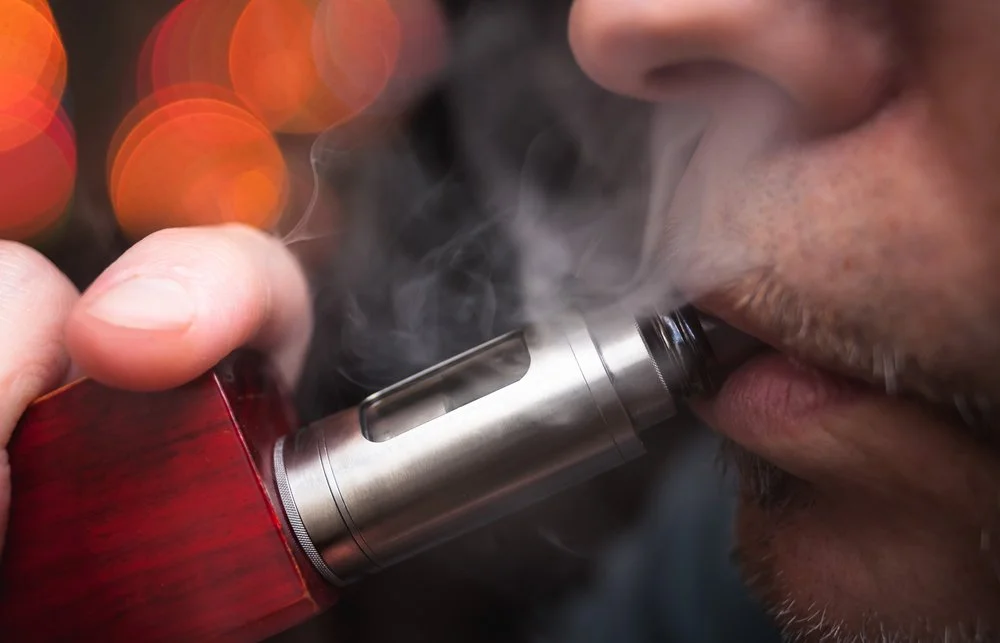
In addition to nicotine, many vaping devices are now used to inhale marijuana (cannabis), including THC (the psychoactive component) and cannabis concentrates. Because marijuana is legal for adults in California, vaping cannabis is often perceived as low-risk or even “healthier” than smoking. However, vaping marijuana carries its own set of short- and long-term health risks, especially for youth and young adults.
Short-Term Risks of Vaping Marijuana
Vaping marijuana can deliver very high concentrations of THC quickly, which increases the risk of immediate negative effects, including:
-
Impaired judgment, memory, and coordination, raising the risk of accidents, injuries, and unsafe driving
-
Anxiety, panic attacks, paranoia, or hallucinations, particularly with high-potency THC products
-
Increased heart rate and blood pressure, which can be dangerous for people with underlying heart conditions
-
Nausea and vomiting, including a condition known as cannabinoid hyperemesis syndrome, with repeated use
Long-Term Risks of Vaping Marijuana
Regular or heavy marijuana vaping can also lead to longer-term health concerns, particularly for adolescents and young adults whose brains are still developing:
-
Impaired brain development affects learning, attention, memory, and decision-making
-
Increased risk of mental health issues, including depression, anxiety, and worsening symptoms of psychosis
-
Cannabis use disorder, where individuals feel unable to stop using despite the negative impacts
-
Chronic lung problems, including ongoing inflammation and reduced lung function
-
Lower motivation and academic or work performance, sometimes referred to as “amotivational” effects
Health Risks Beyond Nicotine and Marijuana

In addition to the risks noted above, vaping exposes users to chemicals that can damage both the lungs and cardiovascular system. Vaping has been linked to lung inflammation and serious injury, including conditions such as EVALI (E-cigarette or Vaping Product Use-Associated Lung Injury). It can also increase the risk of heart disease and stroke by raising blood pressure and damaging blood vessels. Over time, vaping may weaken the immune system, making the body more vulnerable to respiratory infections and illness. For people who already have asthma or other breathing issues, vaping can worsen symptoms and lead to long-term lung damage.
The Youth Challenge in Sacramento County
Vaping is especially concerning among young people. According to the 2023 California Youth Tobacco Survey (CYTS), which includes county‐level estimates, youth vaping remains widespread in California. For example, data reported by the county’s health department show that 19% of high school students in Sacramento County had tried tobacco products, and among those current users, about 86% reported vaping. Vaping devices are also commonly used by youth to inhale marijuana, including high-potency THC oils.
Youth are often drawn to vaping because of sweet or fruity flavors, like mango or cotton candy, and the sleek, discreet look of devices – often hidden as USB drives or pens. In Sacramento County, the local Sacramento County Office of Education (SCOE) runs a state-funded Tobacco Use Prevention Education (TUPE) program that provides “Quit Kits” and educational presentations in English and Spanish. Anyone looking for treatment or behavioral health resources can visit our Safer Sacramento Youth website.
Just like nicotine vaping, marijuana vaping often appeals to young people because it is discreet, easy to conceal, and available in flavored or high-potency forms. Vaping devices may not smell as strong as smoking, making them harder for parents and educators to detect. Even though marijuana is legal for adults 21 and over in California, it is illegal and unsafe for youth, and early use increases the likelihood of long-term health and substance use problems later in life.
Parents and caregivers can play a strong role by recognizing the signs of vaping – like unfamiliar USB-looking devices, fruity smells, sudden mood changes – and by having open, judgment-free conversations with their kids.
Local Community & Environmental Impact

The impacts of vaping in Sacramento go beyond individual health. Discarded vape pods and disposable devices add to waste in parks, sidewalks, and waterways, releasing chemicals into the environment. According to a 2024 report published by the California Department of Public Health, more than 40% of youth reported noticing vape aerosol exposure in public spaces such as sidewalks, cars, and rooms.
From a community perspective, vaping also places pressure on local public health service systems and school environments. New and ongoing efforts – such as the partnership between the Sacramento Department of Health Services and Sacramento County Office of Education (SCOE) to create educator, parent/caregiver, and student vaping campaigns – will continue working to help make the county a safe place for young people, free from harmful addictive substances.
Steps You Can Take Right Now

Here’s what residents of Sacramento County – parents, teens, young adults, community organizations – can do to help prevent and reduce vaping:
Educate yourself and others. Learn about the risks of vaping and share accurate information with your friends, family, and coworkers.
Have early conversations with youth. Talk with your children or teens about vaping – what it is, why it’s risky, and how to resist peer pressure.
Support vape-free environments. Encourage your school, workplace, or community space to maintain vape-free and smoke-free policies.
Seek help if needed. If someone is vaping and can’t stop, local support is available.
Dispose of devices properly. Encourage proper disposal of vaping devices and pods to reduce environmental impact – help safeguard parks, sidewalks, and waterways in our community.
Local Prevention & Support Resources
If you or someone you know in Sacramento County is vaping and wants help, there are local programs ready to assist:
-
Safer Sacramento Youth: Offers information and guidance about general substance use and specific substances, including nicotine. The website also provides mental health and well-being tips, resources, and support.
-
Quit Kits via SCOE / TUPE: For youth and families – English & Spanish materials. Contact SCOE: ocampoverde@scoe.net.
-
Behavioral Health Services: The County’s Behavioral Health Services division offers prevention services, treatment referrals, and support for youth, young adults, and adults. Free of charge, culturally and linguistically appropriate.
-
National Helplines: You can also access national support via the Substance Abuse and Mental Health Services Administration (SAMHSA): Call 1-800-662-HELP (4357) or text your zip code to 435748 to find treatment in your area.
The Bottom Line
Vaping may seem like a harmless habit, but it carries real risks, especially for young people in Sacramento County. By understanding the facts, recognizing the signs, using local resources, and taking community-wide action, we can help make Sacramento County a healthier place for everyone.