
Understanding CBD: What Is Known, What Remains Unknown
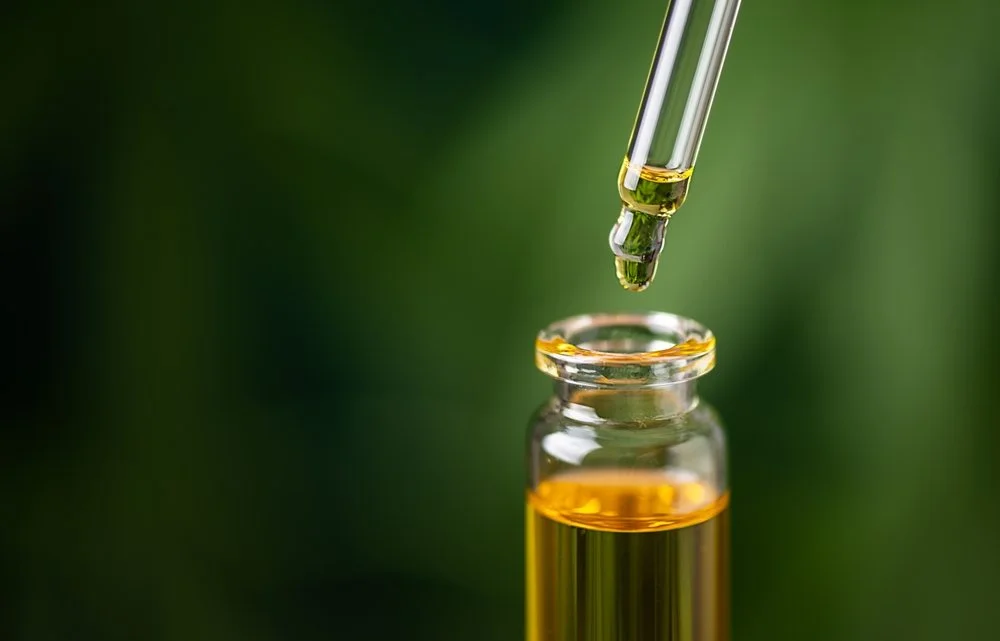
According to theU.S. Food and Drug Administration (FDA), only one FDA-approved prescription medication contains cannabidiol (CBD). However, CBD is widely available in oils, capsules, gummies, and many other products sold for a variety of wellness purposes. As interest in CBD has grown, researchers have continued studying how it affects the body, which medical uses are supported by evidence, and what questions remain unanswered. Understanding what researchers currently know, along with what remains uncertain, can help people evaluate information about CBD more accurately.
What Is CBD?
According to theCenters for Disease Control and Prevention (CDC), CBD is a cannabinoid, which is a naturally occurring compound found in cannabis plants. Unlike tetrahydrocannabinol (THC), CBD does not produce the intoxicating "high" that is commonly associated with marijuana use. Instead, researchers believe CBD interacts with several systems throughout the body. Scientists continue to study exactly how these interactions influence health and disease.
What Is CBD Used For?
CBD is marketed for many different purposes. Products are commonly promoted for sleep, stress, pain relief, inflammation, and general wellness. Unlike THC, CBD does not produce the intoxicating effects commonly associated with marijuana, which is one reason some people choose products containing CBD. However, according to theFDA, many of these claims have not been proven through the type of scientific evidence required for medical approval.
The National Library of Medicine explains that CBD has attracted scientific interest because of its possible effects on inflammation, pain, anxiety, seizures, and other health conditions. Although some studies have produced encouraging results, the evidence remains inconsistent for many of these uses. Larger clinical trials are still needed before researchers can determine whether CBD is safe and effective for many medical conditions.
Because evidence remains limited for many conditions, healthcare providers generally recommend caution when considering CBD outside of its approved medical use.
What Researchers Know
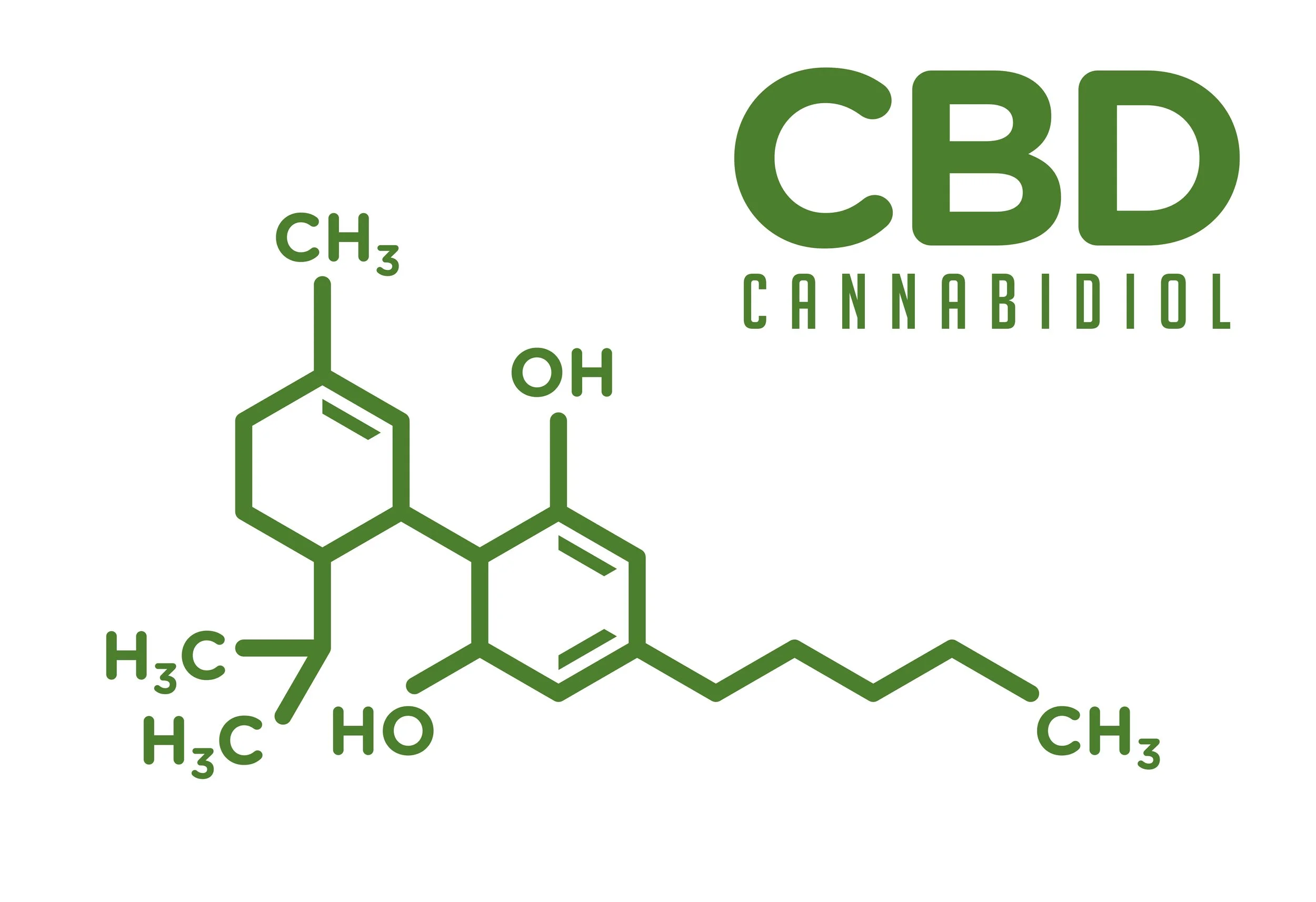
According to the FDA, Epidiolex® remains the only FDA-approved prescription medication containing purified CBD. It is approved to treat seizures associated with Lennox-Gastaut syndrome, Dravet syndrome, and tuberous sclerosis complex (TSC) in patients one year of age and older.
Beyond epilepsy, studies continue to examine whether CBD may help manage symptoms associated with chronic pain, anxiety, substance use disorders, neurodegenerative diseases, inflammatory conditions, and other health concerns. Some studies have reported positive findings, while others have shown little benefit. As a result, researchers have not reached firm conclusions for most conditions outside of the approved seizure disorders.
It is important to note that, aside from the prescription medication Epidiolex®, the FDA has not approved CBD products to diagnose, treat, cure, or prevent any disease. This means that the FDA has not evaluated many CBD products sold online or in stores for safety, effectiveness, proper dosage, or product quality.
What Is Still Unknown?
Although research has expanded significantly, many questions remain unanswered. Researchers continue to study the long-term effects of CBD, appropriate dosages, and how it affects different populations.
Scientists are still investigating how CBD affects developing brains, pregnancy, breastfeeding, fertility, and older adults. Researchers are also studying the safety of CBD in children outside of approved medical use, along with how CBD interacts with herbal supplements, prescription medications, alcohol, and other substances.
Additionally, differences in product quality make research more difficult. CBD products sold commercially may contain varying amounts of CBD, THC, contaminants, or other ingredients that are not always accurately listed on product labels. This variation makes it difficult to compare research findings with products available to consumers.
Possible Side Effects

CBD can cause side effects, even when used as directed.
Possible side effects include:
Drowsiness or sleepiness
Diarrhea
Decreased appetite
Irritability
Agitation
Upset stomach
Research has also identified fatigue, dry mouth, dizziness, and weight changes as possible side effects. Many side effects appear to depend on the dose, individual health factors, and whether CBD is taken with other medications.
CBD can interact with certain medications and may increase the risk of side effects. CBD can also affect liver enzymes responsible for processing many prescription drugs. Because of these potential interactions, people taking prescription medications should consult a healthcare provider before using CBD.
The FDA also warns that CBD may increase the effects of medications that slow brain activity. Combining CBD with alcohol or certain medications may increase drowsiness and raise the risk of injury.
Potential Long-Term Effects
Research on long-term CBD use is still limited. According to theFDA, liver injury has been identified as a potential concern, particularly at higher doses. For this reason, healthcare providers may monitor liver function in patients taking prescription CBD.
More long-term studies are needed to understand whether regular CBD use may affect hormone function, brain development, cardiovascular health, or other body systems over time.
Who Should Avoid CBD?
Some groups should avoid CBD unless a healthcare provider recommends and supervises its use.
These groups include:
People who are pregnant
People who are breastfeeding
Individuals taking medications that may interact with CBD
Anyone with liver disease unless monitored by a healthcare provider
Children unless using the FDA-approved prescription medication under medical supervision
The FDA also advises caution for anyone considering CBD products that have not been evaluated for safety or quality. Because some products contain inaccurate ingredient labels or contaminants, consumers may not know exactly what they are using.
CBD in California

CBD laws vary by state because there is no federally established minimum age for purchasing most over-the-counter CBD products.
California generally limits the sale of adult-use cannabis to people 21 years of age or older. Individuals who are at least 18 years old may purchase medicinal cannabis with a valid physician's recommendation or medical marijuana identification card. CBD products derived from hemp may be subject to different state regulations depending on the product.
Beginning January 1, 2026, California's Assembly Bill 8 allows non-intoxicating CBD products to remain on the market while prohibiting hemp products containing THC, hemp flower, hemp pre-rolls, and synthetic cannabinoids. The law also places intoxicating hemp products under the state's licensed cannabis regulations.
The Bottom Line
While CBD has shown clear medical value for a limited number of conditions, much about its broader use remains under investigation. As research continues to evolve, understanding both the known benefits and the remaining uncertainties can help people make informed decisions and distinguish established evidence from unproven claims.
To learn more about different substances and their effects, visit us at www.safersacramento.com.